
Choosing an engagement ring is one of the most significant decisions you’ll ever make. It’s not just about the sparkle; it’s about what that stone represents for your future. Lately, many couples visiting our Leawood showroom have been asking the same big question: "Should I choose a natural diamond or a lab-grown diamond?"
At Lilliane’s Jewelry, we believe there is no "wrong" choice, but there is a "right" choice for you. In this guide, we will break down the science, the value, and the emotional resonance of both options so you can shop with total confidence.
What is the Difference, Really?
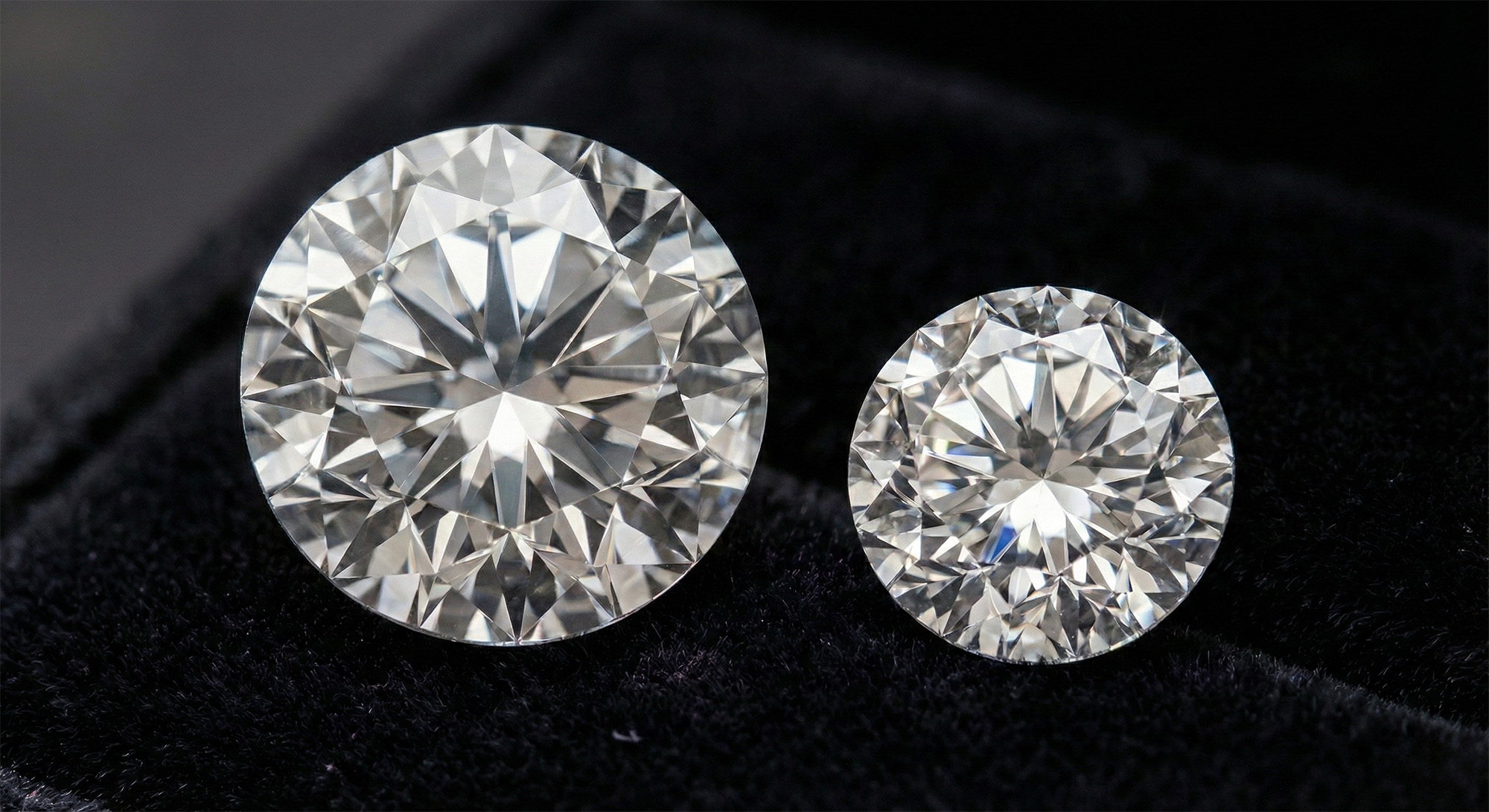
To the naked eye, a natural diamond and a lab-grown diamond are identical. Even a seasoned gemologist cannot tell them apart without specialized, high-tech equipment. Chemically, physically, and optically, they are both carbon crystals. However, their stories—how they came to be—couldn't be more different.
Natural Diamonds: A Billion-Year Journey
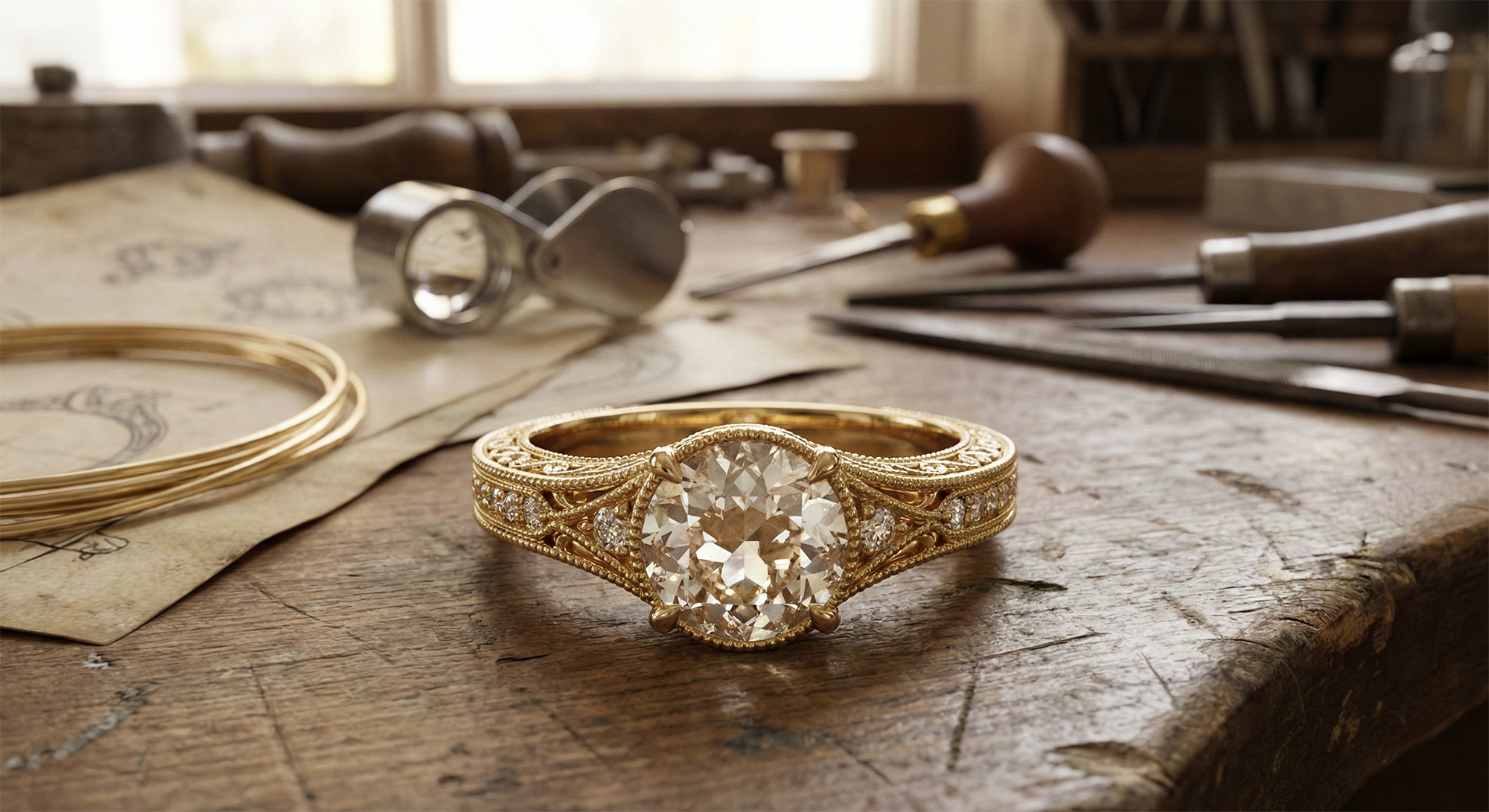
Natural diamonds are a miracle of nature. Formed over 1 to 3 billion years ago deep within the Earth’s mantle under intense heat and pressure, they were brought to the surface by ancient volcanic eruptions. When you wear a natural diamond, you are wearing a piece of Earth’s history that existed long before the first dinosaurs walked the planet.
Lab-Grown Diamonds: Modern Innovation
Lab-grown diamonds are created in controlled laboratory environments using technology that mimics the Earth’s natural heat and pressure. Using methods like Chemical Vapor Deposition (CVD) or High Pressure High Temperature (HPHT), a diamond "seed" grows into a full crystal in a matter of weeks rather than eons.
The Comparison: Natural vs. Lab-Grown
| Feature | Natural Diamond | Lab-Grown Diamond |
|---|---|---|
| Rarity | Finite supply; truly unique. | Mass-produced; infinite supply. |
| Value | Retains significant resale/heirloom value. | Little to no resale value. |
| Cost | Higher price point due to rarity. | 30% to 70% less expensive than natural. |
Expert Insights: Why We Love Natural Diamonds
While lab-grown diamonds offer an accessible way to get a larger stone for a smaller budget, there is an undeniable "soul" to a natural diamond. Because they are finite, natural diamonds have historically held their value over time. They are the ultimate heirloom—a treasure that can be passed down through generations while retaining its worth.
There is also the "rarity factor." Every natural diamond has tiny "birthmarks" or inclusions created by the Earth. At Lilliane’s, we often find that our clients feel a deeper emotional connection to a stone that was forged by nature over billions of years. It feels like a more fitting symbol for a love intended to last a lifetime.
Is a Lab-Grown Diamond Right for You?
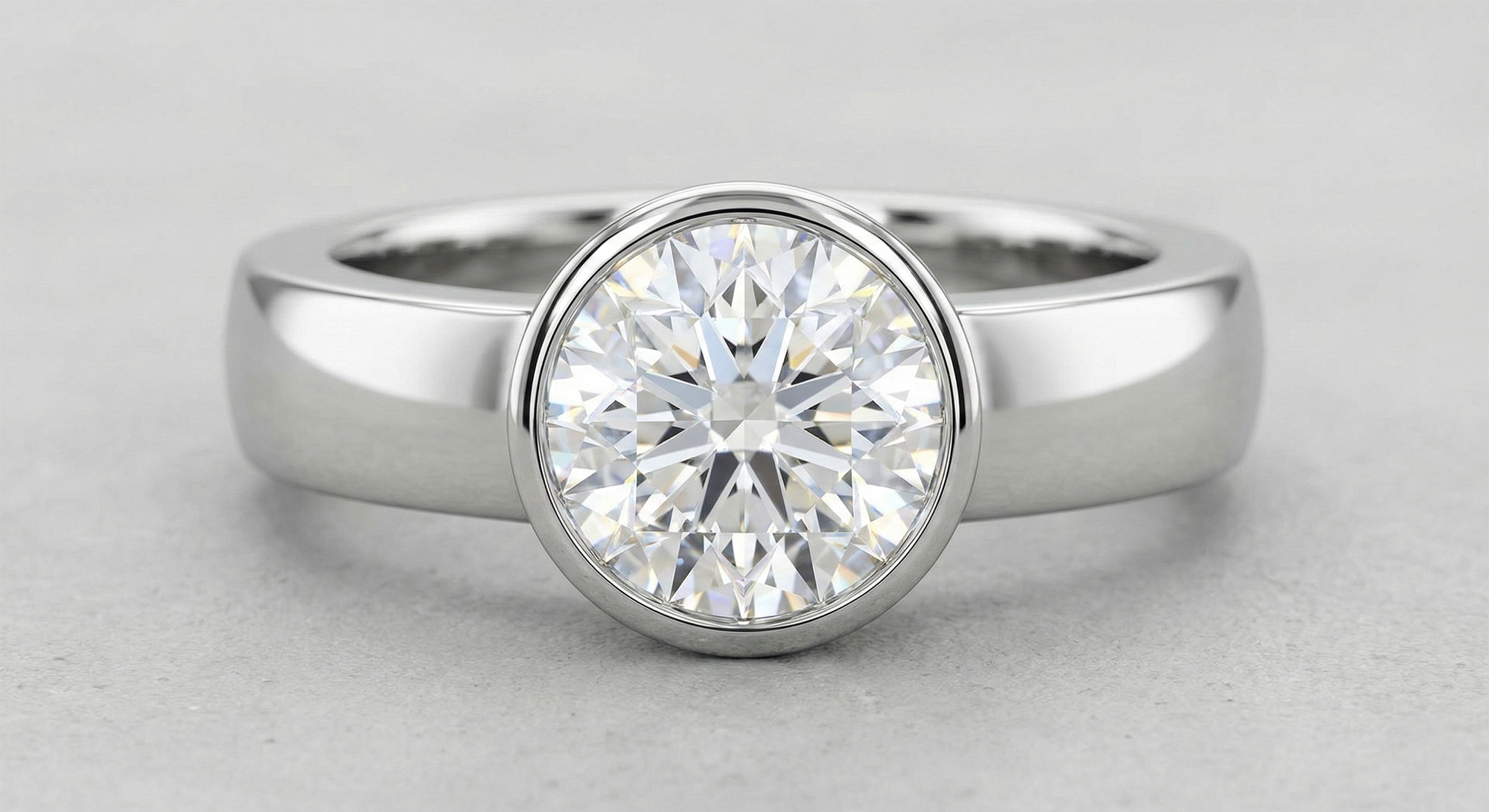
Lab-grown diamonds are a fantastic option if your priority is size and "the look." If you have a specific budget but have your heart set on a 2-carat or 3-carat center stone, lab-grown technology makes that dream attainable. They are real diamonds, and they will never cloud or change color. However, it is important to go into the purchase knowing that as technology improves and supply increases, the market price for lab diamonds continues to drop.
Let’s Find Your Perfect Diamond Together
Choosing between natural and lab-grown comes down to what you value most: rarity and long-term value or size and immediate affordability. No matter which path you choose, we are here to help you find the stone that speaks to you.
Because every diamond (and every couple) is unique, we invite you to reach out to us directly so we can help you find exactly what you’re looking for. Whether you prefer to text us, email, or stop by our Leawood showroom in person, our team is ready to help you compare natural and lab stones side-by-side. We’ll even put them under the loupe for you so you can see the magic for yourself.
