Art Deco or Edwardian? How to Spot Your Jewelry Era
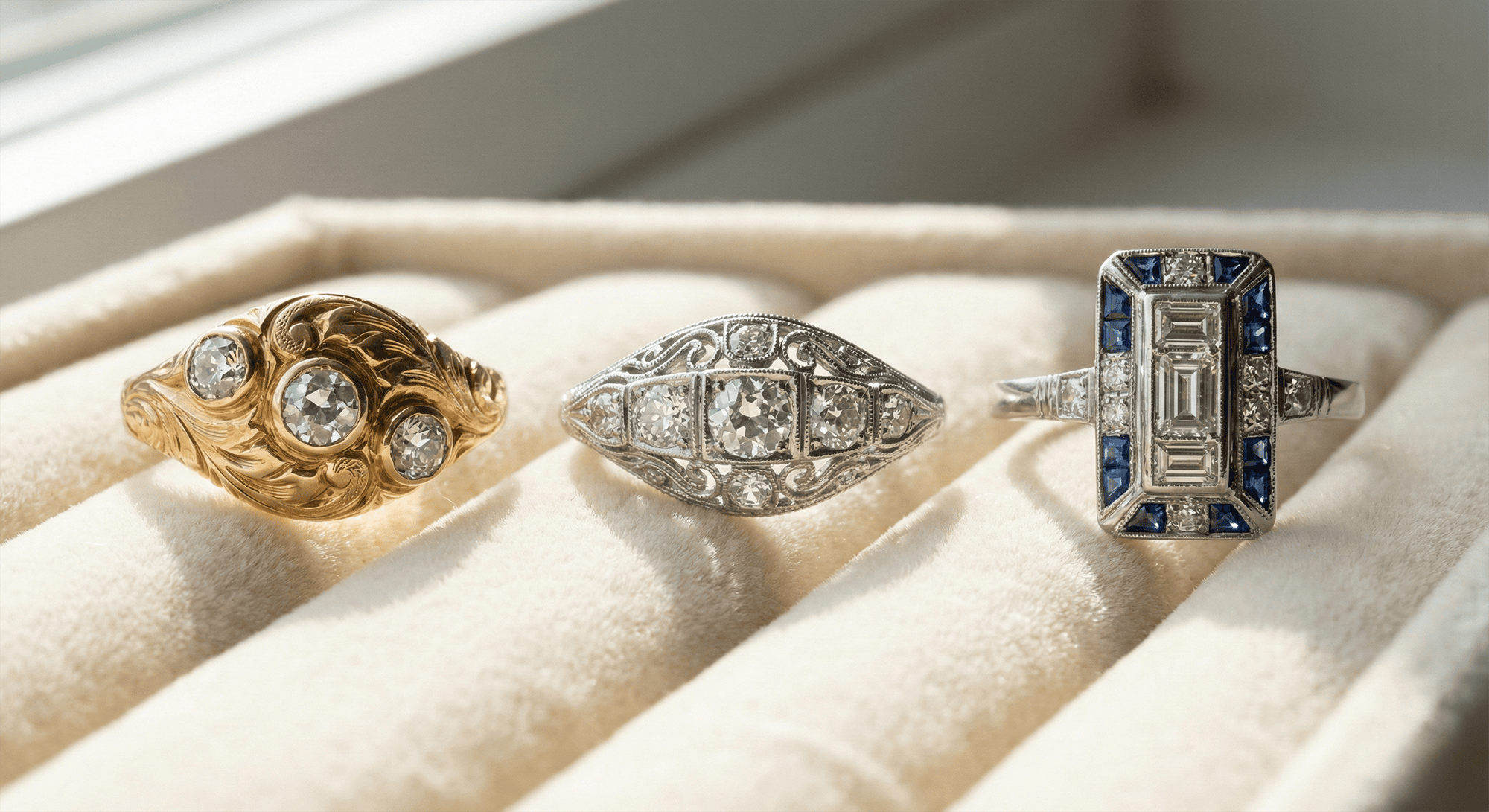
Have you ever looked at a tray of vintage rings and felt a pull toward a specific piece, but couldn’t quite explain why? You aren't alone.
Jewelry isn't just metal and stone; it’s a history lesson you can wear. Each era reflects the fashion, technology, and mood of its time. Whether it’s the sentimental symbolism of the Victorian age or the bold rebellion of the Roaring Twenties, your preference often says as much about your personality as it does about your aesthetic.
Many couples visiting our Leawood showroom come in asking for "vintage," but they aren't sure if that means the lacy intricacy of 1905 or the geometric boldness of 1925.
In this guide, we are going to walk you through the three most popular eras in our Estate Collection: Victorian, Edwardian, and Art Deco. By the end, you’ll be able to spot Art Deco jewelry characteristics from across the room and finally put a name to the style you love.
The Victorian Era (1837–1901): Romance and Sentiment
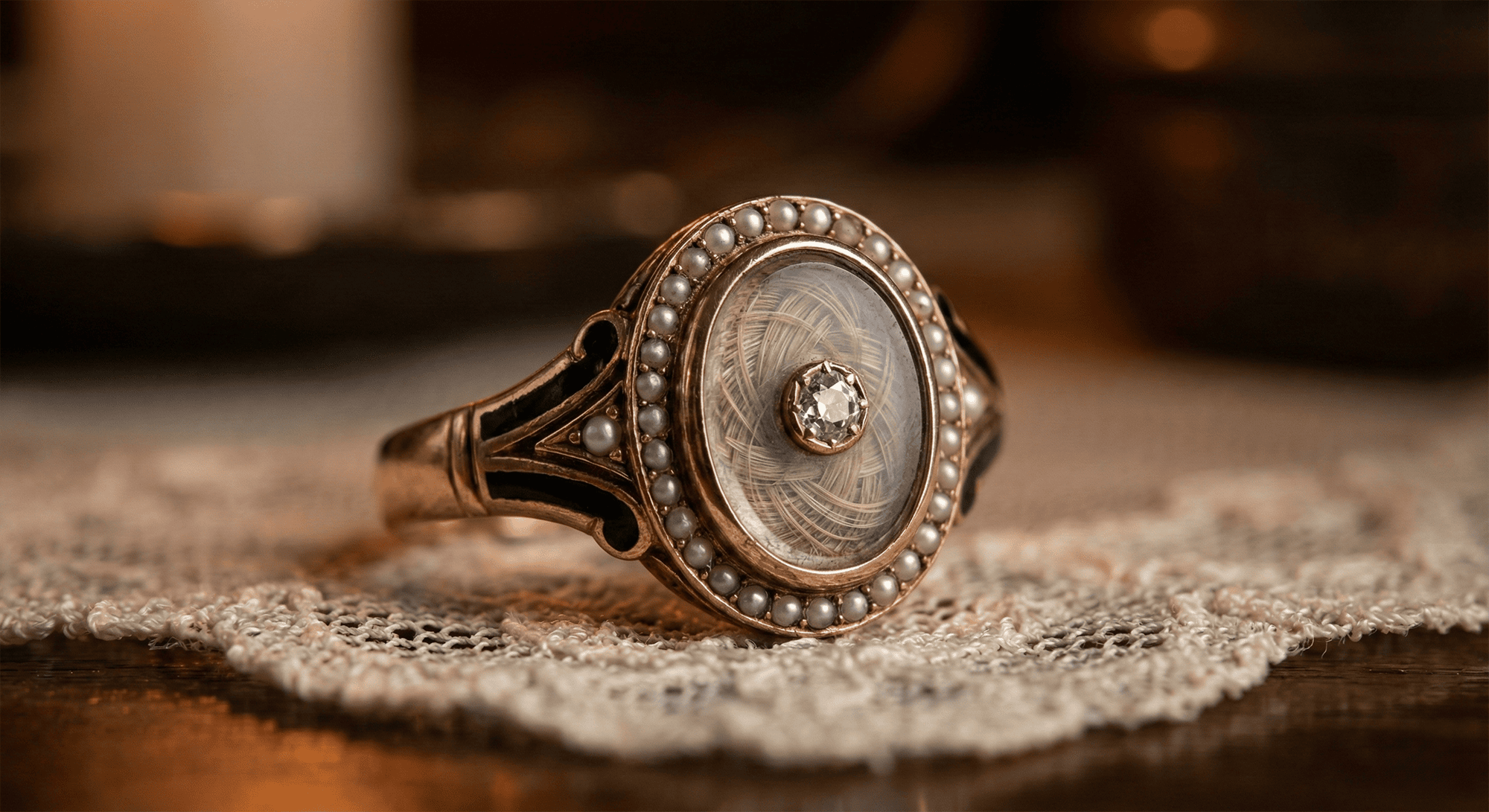
Named after Queen Victoria, this era spans over 60 years, meaning the styles evolved significantly. However, the unifying theme of Victorian jewelry is sentimentality. The Victorians wore their hearts on their sleeves—literally.
What to Look For:
- Yellow Gold & Rose Gold: This was the dominant metal of the time. Platinum was not yet widely manipulated for jewelry making.
- Symbolic Motifs: You will often see snakes (representing eternal love, a favorite of Prince Albert), hearts, hands, flowers, and birds.
- Old Mine Cuts: The diamonds from this era were hand-cut by candlelight. They are blockier and deeper than modern diamonds, with a soft, romantic glow rather than a sharp sparkle.
The Vibe: If you love poetry, deep meanings, and warm gold tones, you are likely a Victorian at heart.
The Edwardian Era (1901–1915): The "Garland" Style
When King Edward VII took the throne, the heavy, somber styles of the late Victorian era gave way to lightness and ethereal beauty. This period is often called "The Beautiful Era" (La Belle Époque).
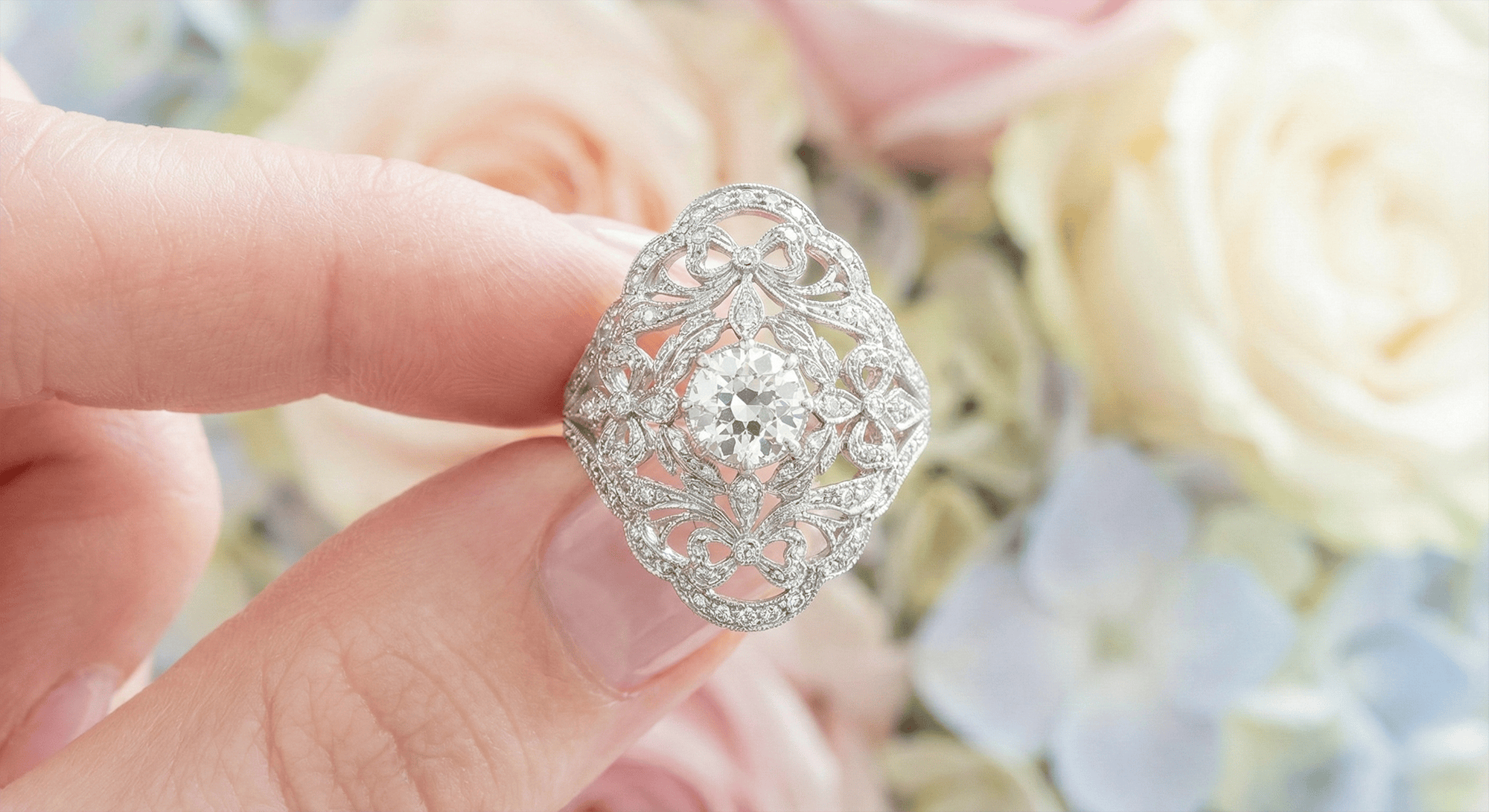
The biggest game-changer here was the oxyacetylene torch, which allowed jewelers to work with platinum for the first time. Because platinum is so strong, jewelers could create incredibly thin, lace-like settings that were still durable enough to hold diamonds.
What to Look For:
- Platinum & Diamonds: The "white on white" look was the height of sophistication.
- Filigree and Lace: Think of fabric transformed into metal. The jewelry often looks like fine embroidery or lace.
- Milgrain: This is a technique where tiny beads of metal are used to border the edges of a setting, adding texture and softness.
- Feminine Motifs: Bows, garlands, ribbons, and wreaths were the standard.
The Vibe: If your dream wedding dress involves intricate lace and you love understated, airy elegance, the Edwardian era is your match.
The Art Deco Era (1920–1935): Geometric Boldness
Following World War I, the world changed rapidly. Women gained the right to vote, hemlines went up, and jazz filled the air. Jewelry shifted from the soft, flowery designs of the Edwardian era to something sharper, bolder, and more industrial.
This is the era we get asked about the most. To truly identify these pieces, you need to know the specific Art Deco jewelry characteristics.
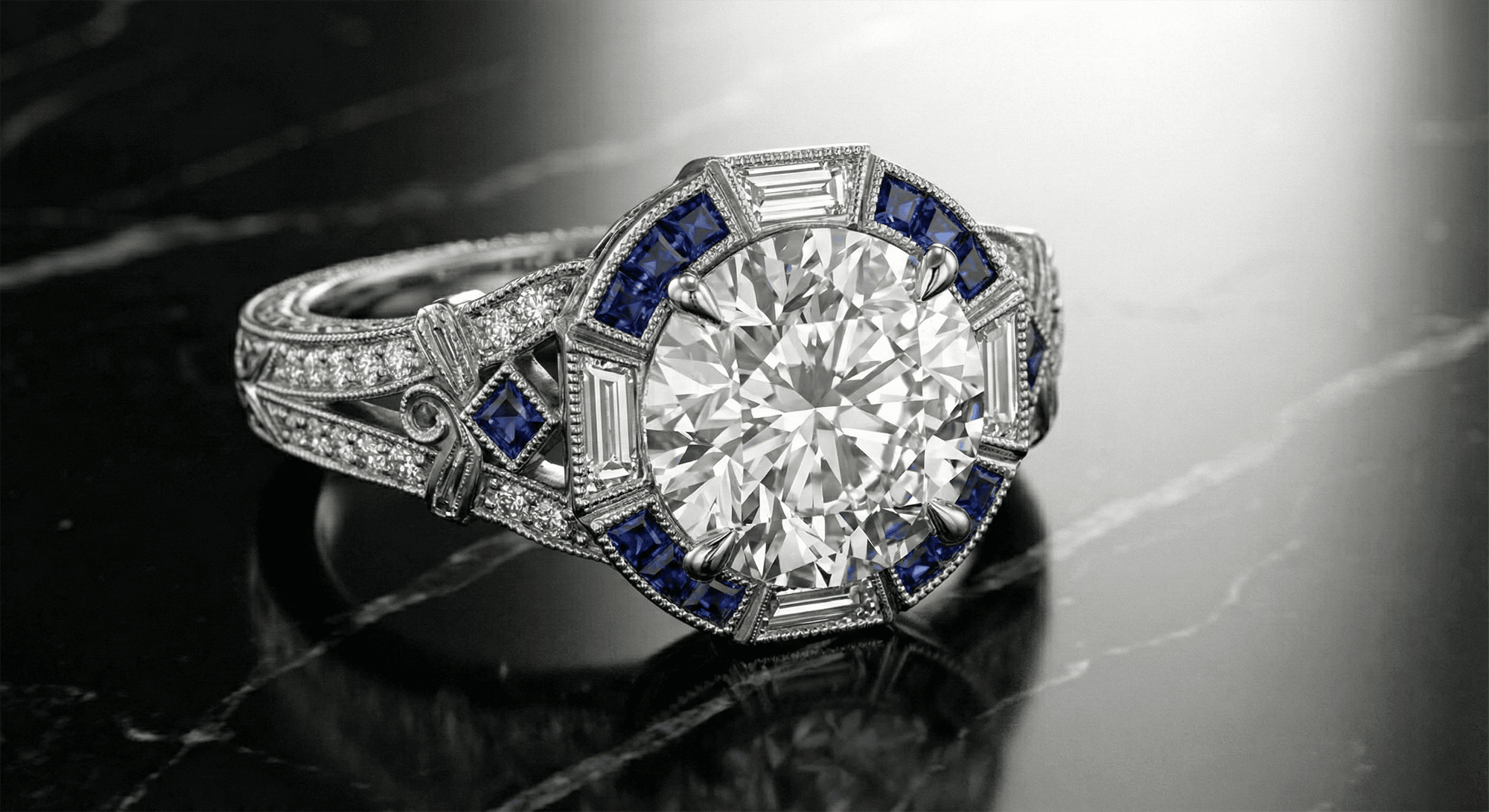
Key Art Deco Characteristics:
- Geometric Shapes: Gone were the flowing ribbons. In came triangles, squares, rectangles, and circles. The look was architectural, inspired by skyscrapers like the Chrysler Building.
- Contrasting Colors: Art Deco jewelers loved high contrast. They mixed white diamonds with black onyx, blue sapphires, red rubies, or green emeralds to create striking, graphic looks.
- Symmetry: Unlike the organic, flowing lines of the Art Nouveau period (which overlapped slightly with Edwardian), Art Deco is all about perfect, mathematical symmetry.
- Step-Cut Stones: You will see more Emerald cuts and Asscher cuts during this time, which mirrored the clean lines of the era's architecture.
The Vibe: If you love modern architecture, bold fashion choices, and "The Great Gatsby," you are undoubtedly an Art Deco fan.
Comparison: Which Era Fits Your Lifestyle?
It isn't just about looks; it is also about wearability. Vintage jewelry requires different care than modern pieces.
| Feature | Victorian | Edwardian | Art Deco |
|---|---|---|---|
| Primary Metal | 14k/18k Yellow or Rose Gold | Platinum (often over gold) | Platinum or White Gold |
| Durability | Moderate (Gold is softer) | High (Platinum is tough) | High (Platinum & secure settings) |
| Sparkle Style | Moody, candlelight glow | Light, shimmering, airy | Sharp, bright, intense |
Lilliane's Tip: Watch the Cut
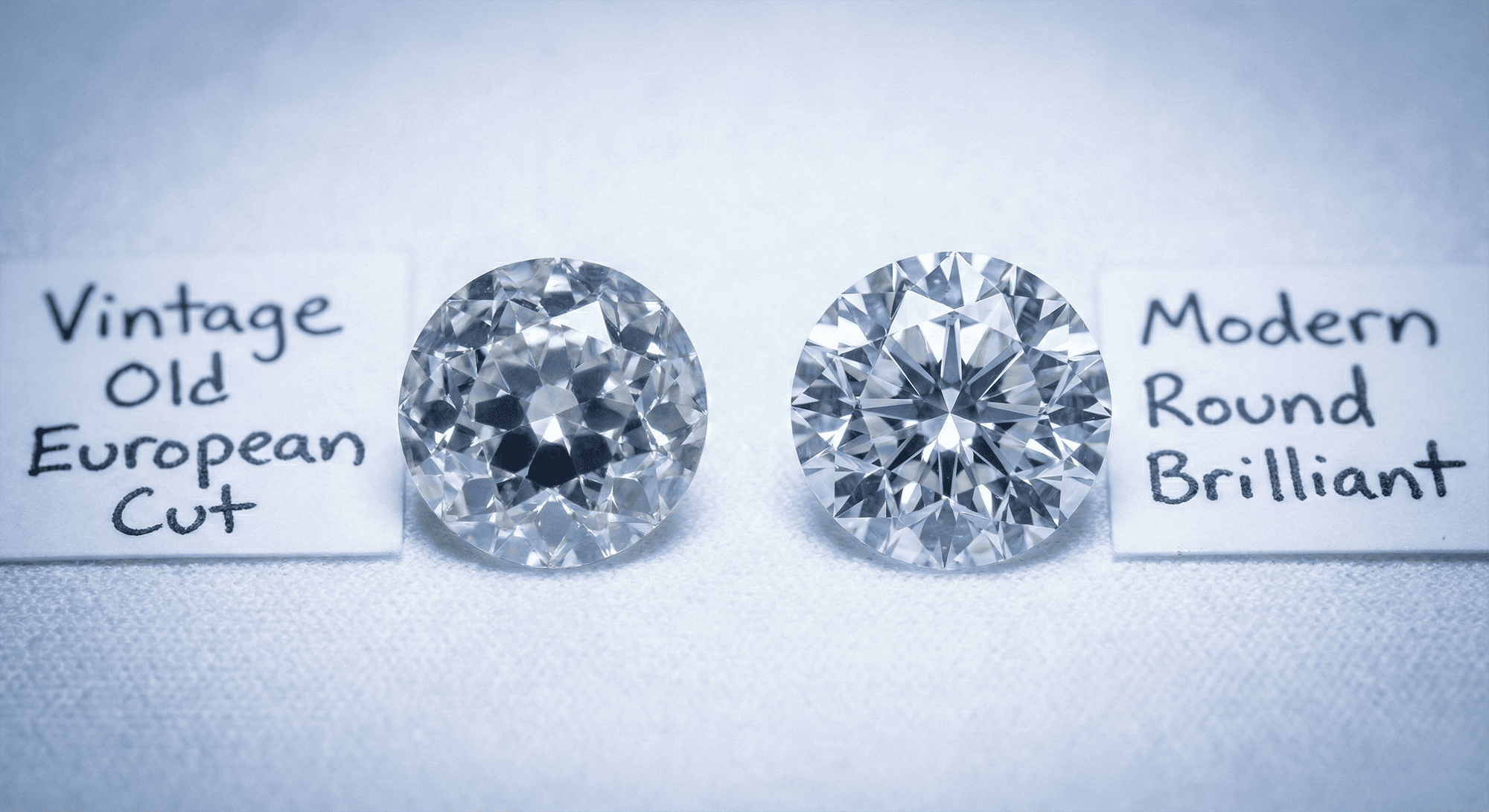
Be careful with "Style" vs. "Period." A ring can be "Art Deco Style" but made in 2024.
To check if a piece is truly vintage, look at the diamond cut. If a ring claims to be from 1920 but has a modern "Round Brilliant" diamond (which wasn't invented until 1919 and perfected much later), it might be a reproduction or a replaced stone. Authentic Art Deco pieces usually feature Old European Cut diamonds.
Your Next Steps
Identifying your era is the first step to finding a piece of jewelry that feels like you.
- If you fell in love with the bold geometry and history of the 1920s, we invite you to browse our Estate Collection. We curate these pieces carefully, ensuring they are authentic and inspected for quality.
- If you love the look but worry about the fragility of 100-year-old metal, our jeweler can help. We can take those stunning Art Deco jewelry characteristics—like halos and geometric lines—and recreate them using modern, ultra-durable metals to create your perfect ring.
Come visit us in Leawood. Let’s pull out the trays and see which era speaks to you when it’s on your finger.
